Riftbound: Spiritforged Release – Level Up Games Georgia
Riftbound: Spiritforged TCG Release – Now at Level Up Games Georgia
Calling all Georgia Summoners! The most anticipated tabletop release of the season is nearly here. Riftbound: Spiritforged, the explosive second set for the League of Legends trading card game, officially launches at all Level Up Games locations on February 13, 2026.
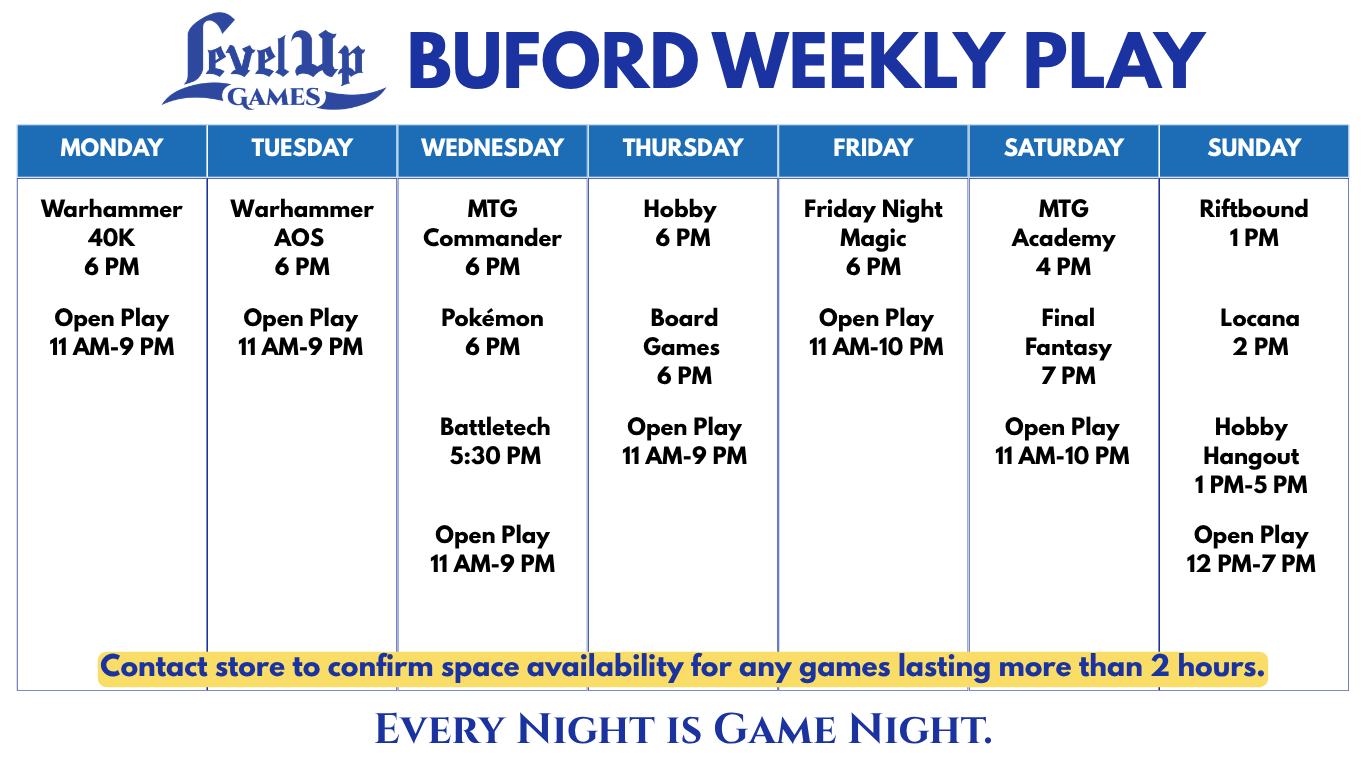
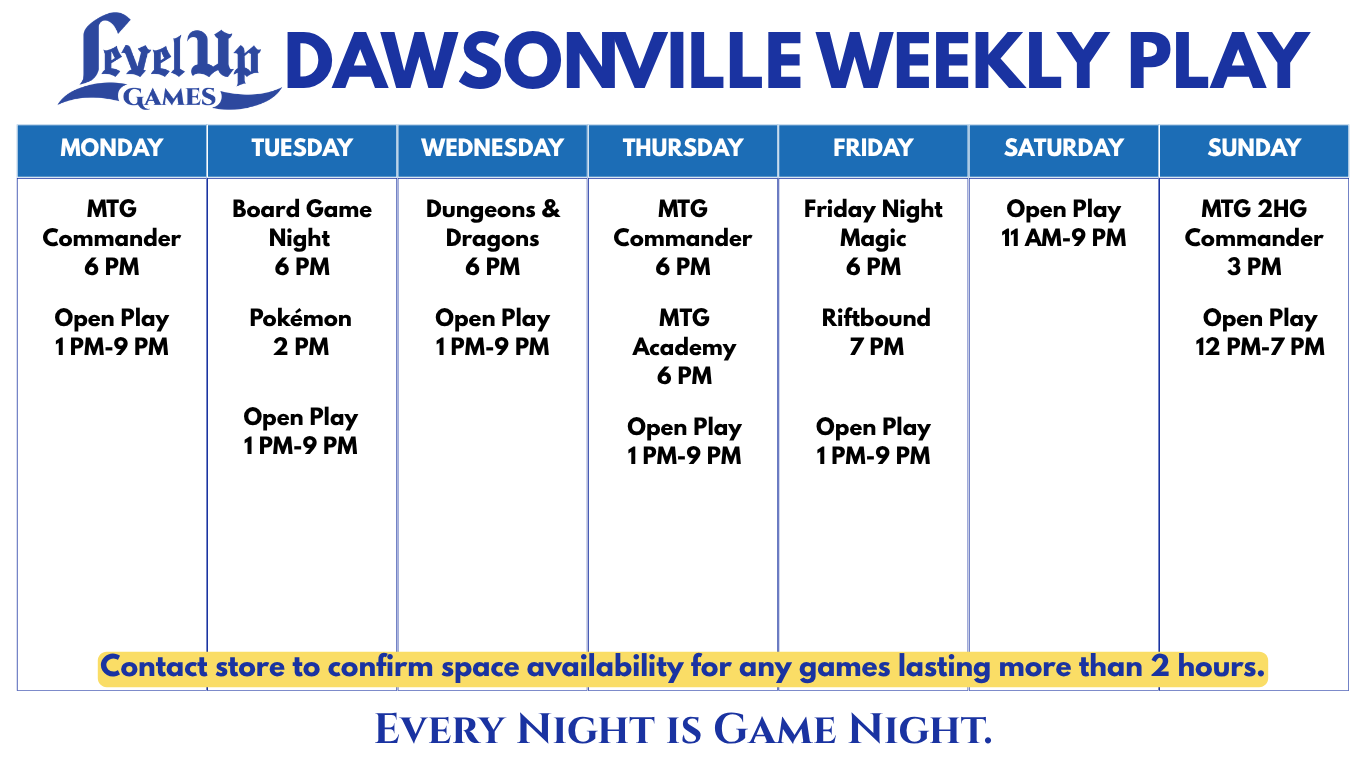
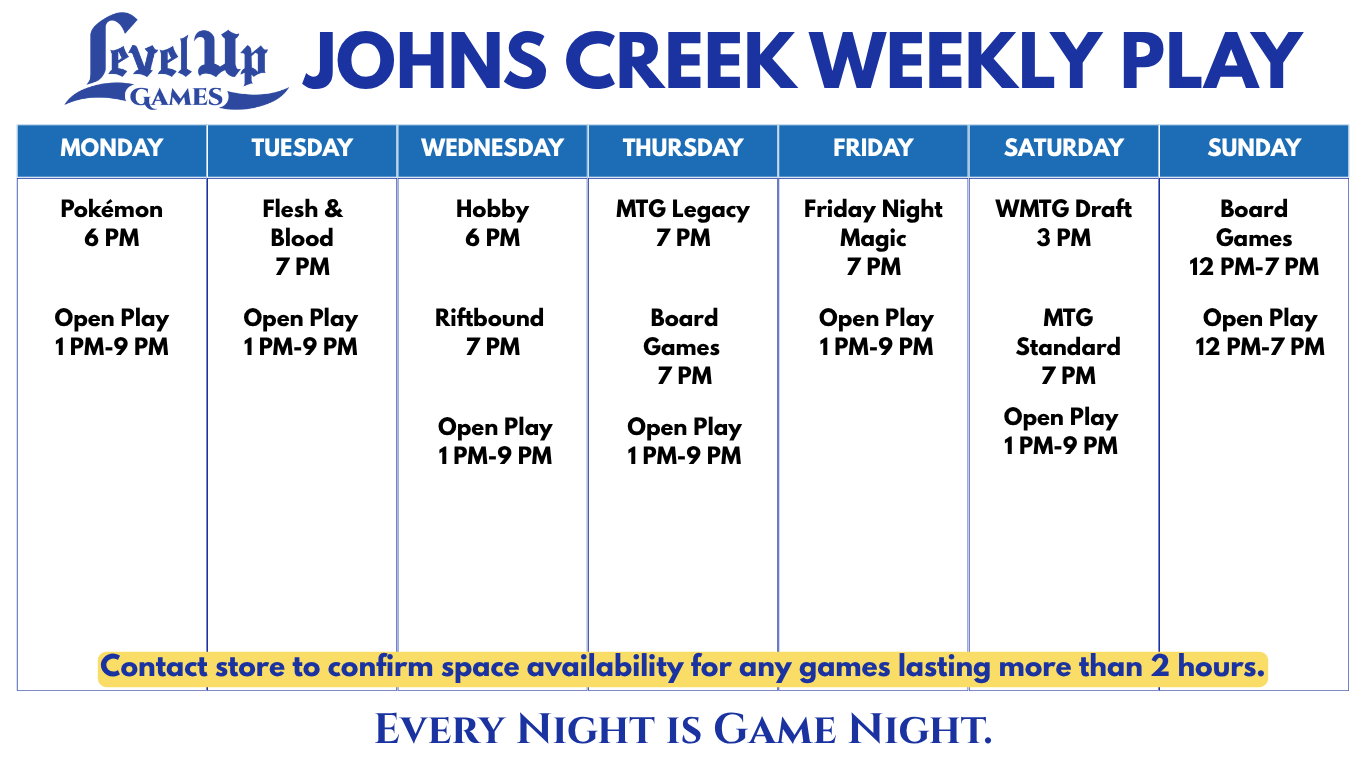
As your premier destination for tabletop gaming in Atlanta, Duluth, Athens, Johns Creek, and Dawsonville, we are stocked and ready for the Rift to open.
The Story: Steel Meets Spirit
While the Origins set introduced us to the core mechanics of Runeterra, Spiritforged dives deep into the mystical craftsmanship of the world’s greatest icons. This set focuses on the Spirit Blossom theme, where the veil between the mortal and spirit realms thins.
Players will explore the “Forge and the Spirit” narrative, featuring champions who imbue their weapons with sheer willpower. Keep an eye out for the stunning Overnumbered alternate art cards that capture this ethereal aesthetic—they are a must-have for collectors!
New Gameplay Mechanics: Changing the Meta
Looking to dominate your next Friday Night Tournament? Spiritforged introduces game-changing mechanics that add new layers of strategy to your deck-building:
Equipment Subtype: Attach legendary gear to your units. Unlike standard buffs, Equipment stays on the board after a unit is defeated, waiting for the next ally to pick it up.
Gold Tokens: Resource management just got deeper. Generate Gold to fuel high-impact Power costs, making champions like Draven and Renata Glasc late-game powerhouses.
Repeat & Quick-Draw: Double your spell effects or play Equipment at reaction speed to turn the tide of battle instantly.
New Champion Legends
This set brings 12 new Champion Legends into the fray, including:
Ornn: The Master of the Forge (and the king of the new Equipment mechanic).
Irelia: High-mobility gameplay for tactical players.
Ezreal & Lux: Powerful spell-slingers that reward control-style decks.
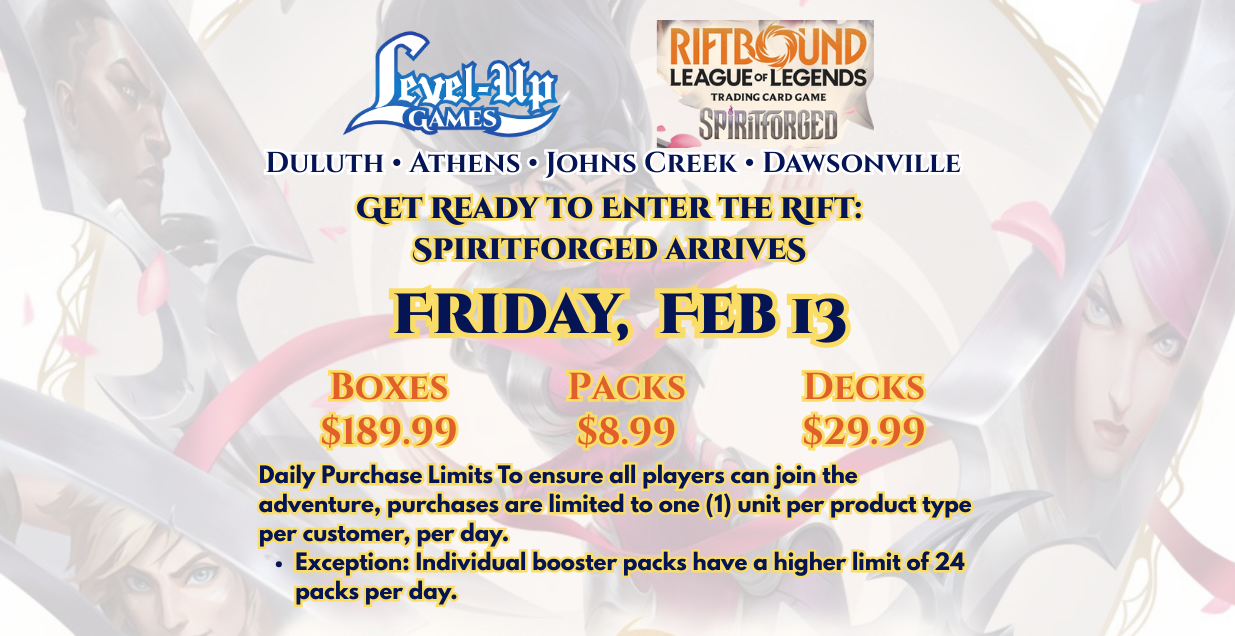
Shop Spiritforged at Your Local Level Up Games
Visit any of our four Georgia locations on February 13 to grab the latest products. We will have a full range of Spiritforged stock, including:
Booster Packs & Displays: 24 packs featuring over 220 new cards.
Champion Starter Decks: Ready-to-play 56-card decks for Fiora and Rumble.
Spiritforged Bundles: The perfect way to jumpstart your collection.
Community Event Alert: Join us for our Spiritforged Summoner Skirmishes! Check our official Events Calendar for local tournament dates and exclusive promo card giveaways.